Screen time and bedtime: how to make a story part of winding down
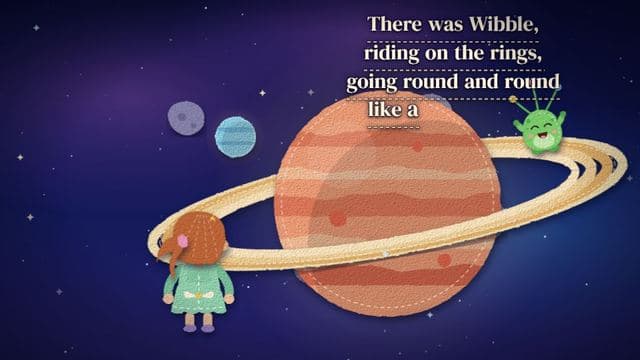
The short answer: a short story you watch together, with the light low and a clear end, can be part of a calm bedtime. Screens that run on by themselves, bright lights and endless videos are what cause trouble.
This guide is general parenting advice, not medical advice. If you are worried about your child's sleep or screen use, talk to your health visitor or GP.
What worries people, and what helps
Parents worry that screens make children harder to settle. The things most often blamed are bright light, fast and exciting content, and no clear stopping point. You can reduce each of these.
- Keep the light low. Lower the screen brightness and turn the room lamp on instead of the main light.
- Choose calm content. Slow, gentle stories with a happy ending, not fast cartoons.
- Make the end clear. One story, then the screen goes off. Say so before you start.
- Watch together. Sit close, talk about it, then cuddle. It becomes a shared moment, not a babysitter.
- Stop earlier than the last step. Finish the story, then do teeth, a cuddle and lights out afterwards if that works for you.
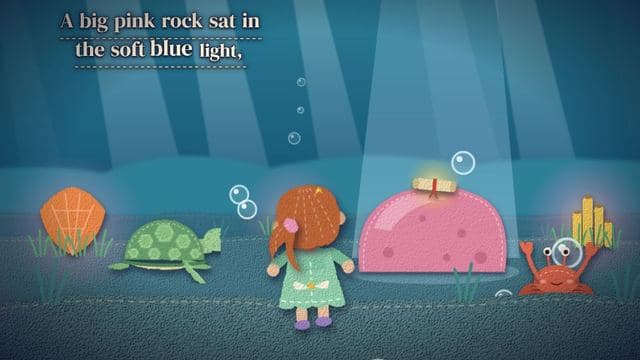
What a good bedtime story looks like on screen
- Short, around three minutes.
- Soft music, not loud.
- A gentle voice.
- No scary scenes.
- Ends in a safe, warm place, ideally in bed.
Our stories are built this way: every story starts in the bedroom and ends back in bed with a keepsake, with a calm narrator, Grandad Joe. They are meant to be watched with a grown-up. You decide when and how often.
Ways to mix it up
- Some nights, a book. Alternate screen and paper.
- Some nights, tell a story. Make one up together.
- Some nights, just a chat. "What made you smile today?"
- Weekend rule. Keep the routine the same on weekends so it stays predictable.
Signs it is not working
- Your child is more alert after the story, not less.
- Bedtime turns into a negotiation for more.
- They ask for the screen at other quiet times and get upset when it ends.
If you notice these, shorten the story, move it earlier, or swap it for a book for a week or two.
A sample 20 minute wind down
- Minute 0: lights low, pyjamas on, a drink if you like.
- Minute 5: the story, on a small screen, watched together.
- Minute 9: screen off, put it away out of reach.
- Minute 10: talk about the best bit, and one thing about tomorrow.
- Minute 15: teeth, toilet, cuddle.
- Minute 20: lights out, the same words every night.
You can change the order, but keep it the same each night. The clear end to the screen is what matters most.
Handling "one more"
Children will ask for another. Say "that was the story for tonight," and offer a cuddle. If you say yes once, they will ask every night. A calm, friendly no, said the same way each time, works better than a debate at bedtime.
Questions
Is a short story before bed OK for a toddler?
Many families do this. Keep it short, gentle and shared, and do not leave a screen on in the bedroom.
How long before bed should screens go off?
Many parents aim for at least 30 minutes between screens and lights out. Choose what suits your child.
Should the story be in the bedroom?
It is usually better to watch in a living space or on the bed with you, and then turn off completely.
What can I do instead of a screen?
Books, singing, telling a story, a puzzle or just a cuddle.
Make a bedtime story starring your child, with their name said out loud by Grandad Joe.
More guides
 Best personalised Christmas gifts for toddlersThe best personalised Christmas gifts for toddlers are the ones they will still ask for in February. For most families that means something to hear, cuddle or share at bedtime rather than something that needs batteries or a lot of floor space.
 A gift for a child who has everythingStop looking for another thing and look for a moment. Gifts that create time together, a memory or a bedtime habit are remembered long after the toy box overflows.
 Christmas Eve box ideas that are not just sweets and pyjamasThe best Christmas Eve box makes the evening calmer. Think cosy, quiet and a little bit magic, so children actually settle.